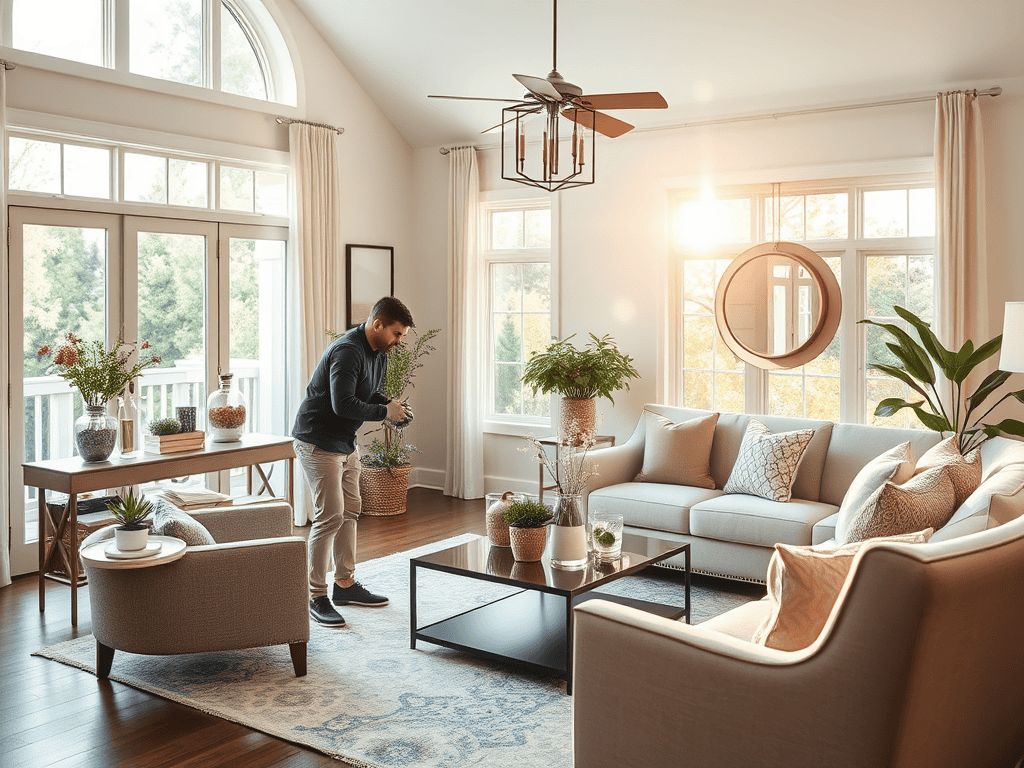
Home staging is an exciting and creative profession, but it also comes with its own set of risks. Whether you’re working alone in a vacant property, moving heavy furniture, or dealing with unfamiliar environments, safety should always be a top priority. Here are essential tips to help you stay safe while staging homes.
1. Prioritize Personal Safety
When staging homes, especially vacant ones, always have a safety plan in place.
- Let Someone Know Your Location: Share your schedule and location with a colleague, friend, or family member.
- Use a Safety App: Apps like Life360 (compatible with both Android and Apple) or Find My iPhone allow trusted contacts to track your location if needed.
- Trust Your Instincts: If a property feels unsafe, do not enter. Always follow your gut feeling.
2. Be Cautious in Vacant Homes
Vacant homes can pose unique risks, from unexpected visitors to maintenance issues.
- Check Locks and Security: Make sure all doors and windows are secure before starting your work.
- Do a Walkthrough First: Inspect the property for hazards like broken stairs, unstable flooring, or signs of squatters.
- Carry a Personal Alarm: A small, loud alarm can deter intruders and attract attention in case of an emergency.
- Unload Everything at Once: Bring in all of your staging items at one time. When everything is inside the home, lock doors.
3. Lift Heavy Items Safely
Furniture and décor can be cumbersome to move, increasing the risk of back injuries.
- Use Proper Lifting Techniques: Bend at your knees, keep your back straight, and lift with your legs.
- Use Equipment: Dollies, furniture sliders, and lifting straps can prevent strain and injuries.
- Ask for Help: Never attempt to move large furniture alone—teamwork is key.
4. Stay Alert for Electrical and Plumbing Issues
Older homes or properties under renovation can have hidden dangers.
- Avoid Faulty Outlets: If an outlet appears damaged or sparks, avoid using it.
- Watch for Leaks or Mold: If a home has severe water damage or mold, reconsider staging in that area until it’s addressed.
5. Dress for Safety
Wearing the right clothing can prevent accidents and injuries.
- Wear Non-Slip Shoes: Many homes have freshly cleaned or polished floors, which can be slippery.
- Use Gloves and Masks When Needed: Handling dusty furniture or working in a home with allergens can cause irritation—protect yourself accordingly.
6. Secure Staging Inventory
- Anchor Tall Furniture: Large bookshelves, mirrors, and art should be properly secured to prevent tipping hazards.
- Check for Sharp Edges: Some furniture pieces can have dangerous edges—use corner protectors when necessary.
7. Protect Your Valuables
- Lock Your Vehicle: Don’t leave expensive tools, décor, or personal belongings visible in your car.
- Keep Your Phone Handy: Have your phone charged and easily accessible in case of emergencies. Bring a charging cord with you inside the home in case you need to charge your phone.
8. Be Prepared for Emergencies
- Know Your Exit Routes: Before starting, identify the best way to exit the home quickly if needed.
- Carry a First Aid Kit: Keep essential medical supplies in your car for minor injuries like cuts or bruises.
Final Thoughts
Home staging transforms properties into beautiful, market-ready homes, but safety should never be overlooked. Our safety is the #1 concern above everything else. Do you have any safety tips to share?
Until next time……Leigh