
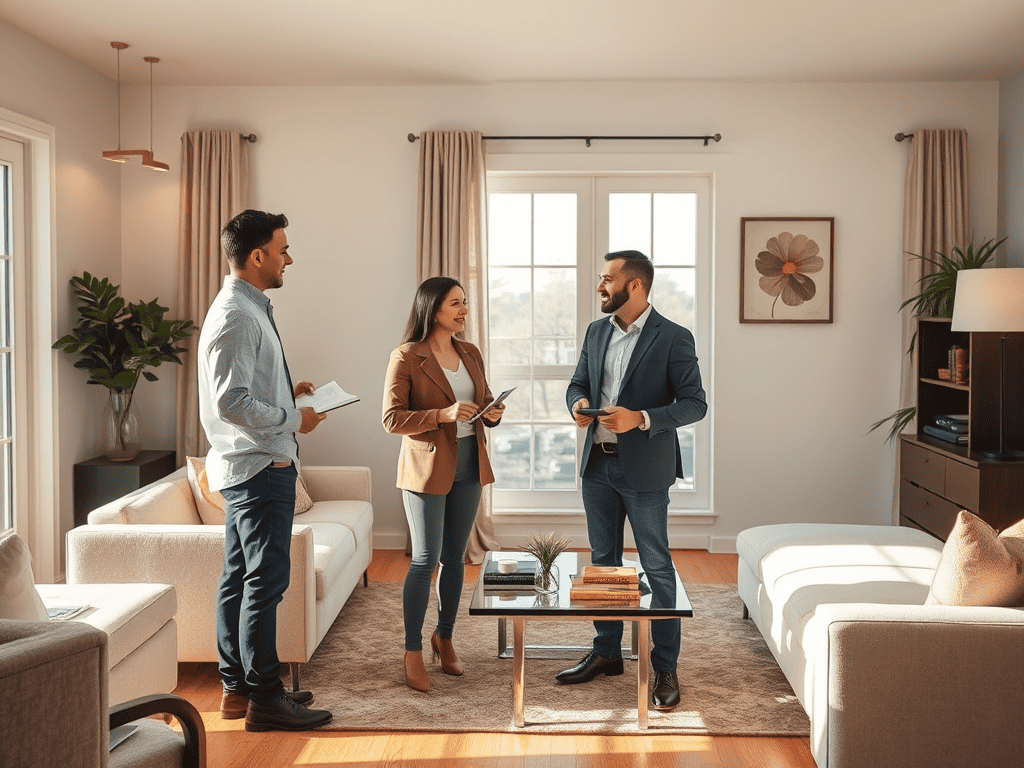
As a real estate professional, you’ve likely encountered clients who hesitate at the idea of staging their homes.
They may see it as an unnecessary expense. Some feel attached to their current décor. Others worry that staging is about disguising flaws.
However, staging is one of the most effective tools for showcasing a property’s potential and attracting serious buyers. It’s not about masking imperfections; it’s about helping prospective buyers envision a home as their own.
If you’re dealing with hesitant sellers, here are actionable tips to help them see the value of staging. Staging can maximize their property’s appeal. Ultimately, it can increase its selling price.
1. Explain the ROI of Staging
One of the biggest objections sellers often have is the cost of staging. They might view it as an unnecessary expense, especially if their home is in good condition. As a realtor, it’s important to explain the return on investment (ROI) that staging can offer.
- Data That Speaks: Share statistics to illustrate the impact of staging. The Real Estate Staging Association (RESA) provides a revealing report. They state that:
- 82% of buyers’ agents say staging helps buyers visualize a property. It helps them see it as their future home.
- Additionally, 23% of sellers’ agents reported an increase of 1-5% in offers compared to non-staged homes.
- Cost-Benefit Perspective: Break down the potential cost of staging versus the likely gain in the sale price. For example, spending $2,000 on staging can increase a home’s sale price by $20,000 more than the asking price. This is a clear win.
- Shorter Time on the Market: Explain that staged homes typically sell faster. In today’s competitive market, a home that lingers unsold may eventually require price reductions. These reductions often cost more than upfront staging.

2. Address Emotional Attachments
For many sellers, their home isn’t just a property—it’s a place filled with memories. Convincing them to depersonalize and stage can feel like a challenge.
- Empathy First: Start by acknowledging their feelings. Let them know it’s natural to feel attached, but reframing the perspective can help. For instance, remind them they’re not selling their memories—they’re selling a house to future owners who can create their own.
- Shift the Focus: Explain that staging isn’t about erasing their personal touches but rather appealing to the broadest possible audience. A buyer needs to see a blank canvas where they can imagine their own family’s story.
- Highlight the Goal: Frame staging as a strategy. This helps achieve their ultimate goal—getting the best price in the shortest amount of time. This way, they can move on to their next chapter.
3. Bust the Myth: Staging Isn’t About Hiding Flaws
A common misconception is that staging is a way to disguise a property’s shortcomings. Some sellers worry that staging feels deceptive. It’s important to counter this belief head-on.
- Set the Record Straight: Emphasize that staging isn’t about masking problems; it’s about highlighting a home’s best features. For instance, arranging furniture can make a room feel larger and show off its functionality. Decluttering can make kitchens and bathrooms look more spacious.
- Provide Examples: Share before-and-after photos of staged homes you’ve worked on. Seeing tangible transformations can help sellers understand how staging enhances a property’s appeal rather than concealing issues.
- Transparency Matters: Reassure sellers that any significant flaws, such as structural issues or necessary repairs, will need to be disclosed. Staging simply helps buyers appreciate the home’s potential.
4. Share Stories of Success
Real-world examples can be powerful in convincing hesitant clients. Share anecdotes from your past experiences to illustrate how staging works.
- Case Studies: Share the story of a property that was slow to sell initially. After staging, it attracted multiple offers. Include specific details, like how staging helped highlight the open floor plan or the natural light in the living room.
- Visual Evidence: Bring a portfolio of staged homes you’ve managed or work with a professional stager who can provide examples. Visuals resonate more than verbal descriptions.
- Testimonial Power: If possible, share testimonials from other clients. Mention those who were initially hesitant. Highlight how they were ultimately thrilled with the results after staging.
5. Offer Professional Expertise
Finally, position yourself as a trusted guide who can make the staging process smooth and stress-free.
- Recommend Professionals: Work with experienced home stagers and connect your clients to reliable experts. Their expertise can help hesitant sellers feel more confident in the process.
- Showcase Collaboration: Emphasize that staging is a team effort. You and the stager are there to help them achieve the best possible outcome.
Conclusion
With your guidance, sellers can feel empowered to take the next step. This ensures their property stands out in a competitive market. It garners the attention it deserves. When buyers see the home’s full potential, the results are evident. The home sells faster. Offers are higher, and clients are happy and ready for their next chapter. (and I bet that they will start referring you to family and friends)!
Ready to make your home stand out and sell for top dollar? Let’s work together to showcase its true potential. Contact me today, and I’ll guide you every step of the way—including connecting you with the perfect staging professionals to maximize your home’s appeal
Until next time…..Leigh
